Icon Key
Here is a quick key for all of the icons. You can also hover over, or touch and hold on mobile, any icon in the listing cards for a reminder of what that icon signifies.
- Owner Claimed Listing
- Locally Owned Business
- Non-Profit Entity
- Minority/Woman Owned Business
- Veteran Owned Business
- Online/App Capable
- Award Winning
- Deals & Special Offers Available
- Discounts Available
- Insurance Accepted
- Certification
- Kid Friendly
- Pet Friendly
- Dining Options
- Alcohol Availability
- Entertainment
- WiFi Available
- Accessibility Accommodations













Magazine


Illinois Motors put on a super car show on Sunday with their 2nd annual Illinois Motors Cars & Coffee event. If you missed it, we've got some pics.

Looking for Mother's Day brunches and other ideas for Mother's Day? Be sure to check out our special McHenry County Mother's Day Guide for ways to celebrate that special someone called mom.

If your favorite question is "how are they biting today," then we think you'll enjoy our new McHenry County Fishing Guide. Whether you prefer to keep your feet on solid ground or sitting in a boat, our guide has a fishing spot for you to try.
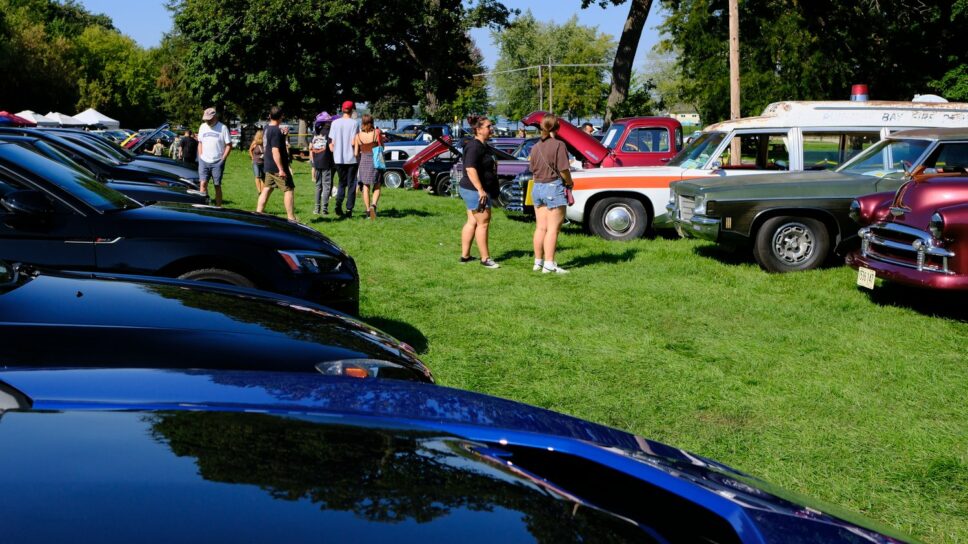
Get your engine running with our guide to car shows & cruise nights all around McHenry County! From one-off events to recurring shows, we've pulled together a collection car events that will satisfy your inner car enthusiast.
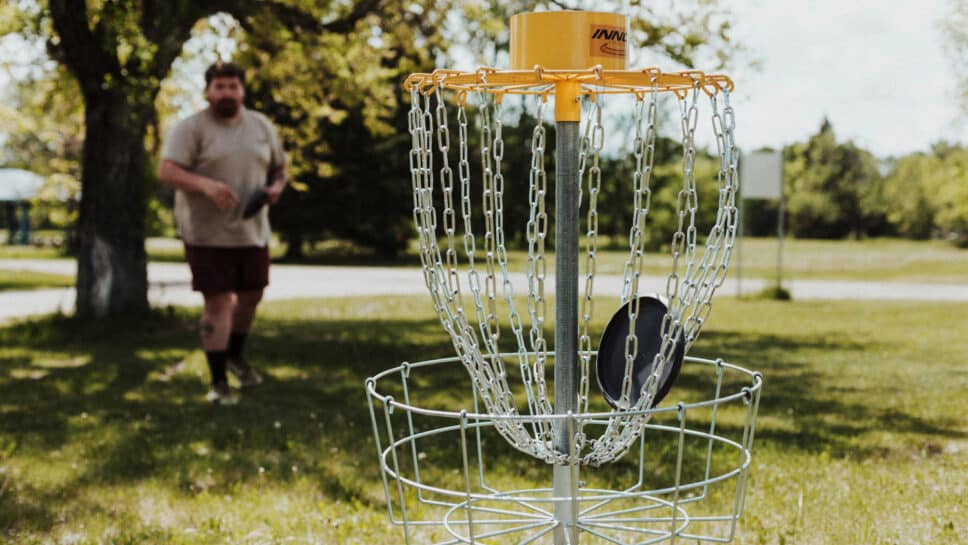
Hey disc golfers, check the weather, grab your discs, and before heading out, check our guide and consider trying a course your haven't been to yet. Our guide covers all of the disc golf courses across McHenry County!
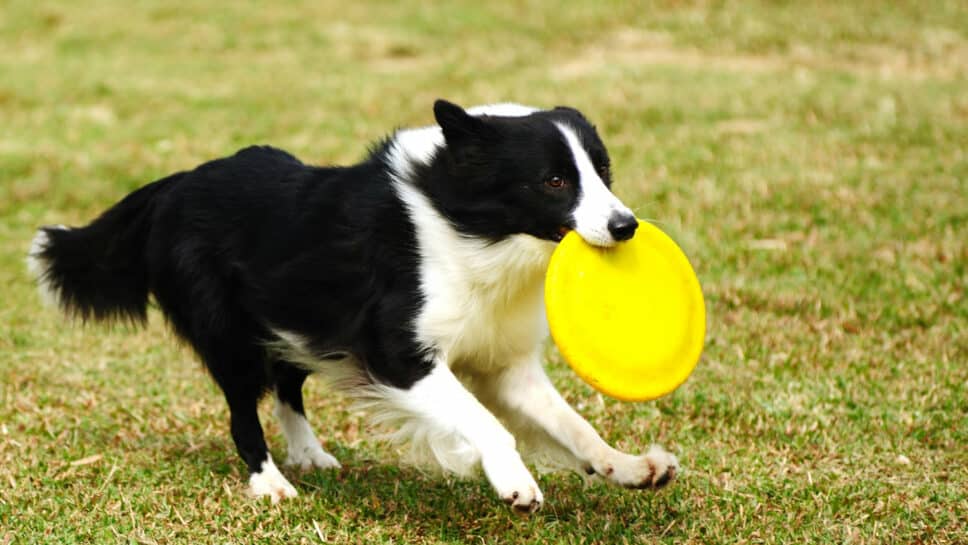
Looking for a place for Fido or Fifi to play? Our McHenry County Dog Parks Guide has the scoop on the local dog parks, including addresses, maps, contact details, and links to more details on the host websites.